Grok vs Claude for Solopreneur Content and Research Tasks: Honest Comparison
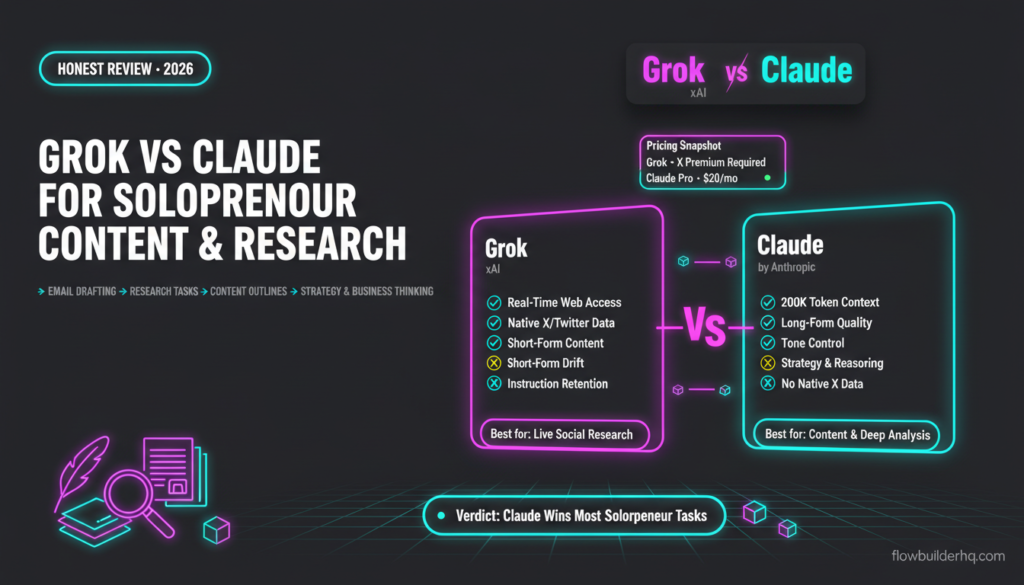
Elon’s AI vs Anthropic’s Claude — which one actually helps you run your business? That’s the real question behind the growing search volume around Grok vs Claude for solopreneur content and research tasks. Grok (built by xAI) has moved out of Twitter-novelty territory and into a position where people are genuinely asking whether it can replace Claude in their daily workflow. This comparison cuts through the noise and answers that question directly, using the tasks solopreneurs actually care about: drafting emails, researching competitors, writing content outlines, and doing the kind of business thinking that eats hours every week.
No fluff. This grok vs claude for solopreneur content and research tasks comparison gives you a clear answer. No “both tools are great in their own way.” You’ll get a clear winner per task category, honest limitations for both, and a final recommendation you can act on today.
What You’re Actually Comparing
Grok is xAI’s large language model, primarily available through X (formerly Twitter) — with Grok 2 and the more recent Grok 3 accessible via X Premium subscriptions and the standalone grok.com interface. It’s built with real-time web access baked in and has a design philosophy that leans toward directness and fewer content restrictions than competing models.
Claude — built by Anthropic — is available through claude.ai (free tier plus Pro at $20/mo) and the API. Claude 3.5 Sonnet and Claude 3.7 Sonnet are the current workhorses. Its design philosophy prioritizes reasoning quality, instruction-following, and what Anthropic calls “constitutional AI” — meaning it’s trained to be helpful without being reckless. For solopreneurs, this matters less as a philosophical point and more as a practical one: Claude tends to stay on task.
If you’ve been comparing AI writing tools, you’ve likely already read our take on ChatGPT vs Claude for solopreneur business tasks — this comparison builds on that foundation but focuses specifically on where Grok fits into the picture.
Feature Comparison Table
| Feature | Grok | Claude |
|---|---|---|
| Real-time web access | Yes (native) | Yes (with tools enabled) |
| Context window | 131K tokens | 200K tokens (Claude 3.5/3.7) |
| Long-form writing quality | Good | Excellent |
| Instruction following | Good | Excellent |
| Research / web search | Excellent (native X data) | Good (external search tools) |
| Tone control | Moderate | Strong |
| API availability | Yes (xAI API) | Yes (Anthropic API) |
| Free tier | Limited (X account required) | Yes (claude.ai free) |
| Standalone app | grok.com + X | claude.ai |
| Document upload / analysis | Yes | Yes |
Grok vs Claude for Email Drafting
Email drafting is one of the highest-leverage tasks you can hand to an AI — and also one of the easiest to judge. Either the output sounds like you, or it doesn’t.
Grok produces serviceable email drafts quickly. It handles casual, direct tones well — which makes sense given its roots in X culture. Ask it to write a follow-up email to a prospect who went quiet, and you’ll get something punchy. Where it falls short: when you need nuance. Emails that require careful positioning — like a price increase notice to existing clients, or a difficult boundary-setting message — tend to come out slightly blunt. Grok’s directness, which is an asset in some contexts, becomes a liability when the email needs to land softly.
Claude is noticeably better at email drafting across a wider range of situations. You can give it a complex context (“I need to tell this client we’re behind schedule without triggering a panic, and I want to close with a soft upsell on the additional support package”) and it will hold all of that in mind simultaneously. The output actually requires fewer manual edits before sending. For solopreneurs who rely on client email communication as a core business activity, this gap matters. Claude also responds well to tone instructions — “make this warmer,” “cut the corporate language,” “shorter” — without losing the substance of the message.
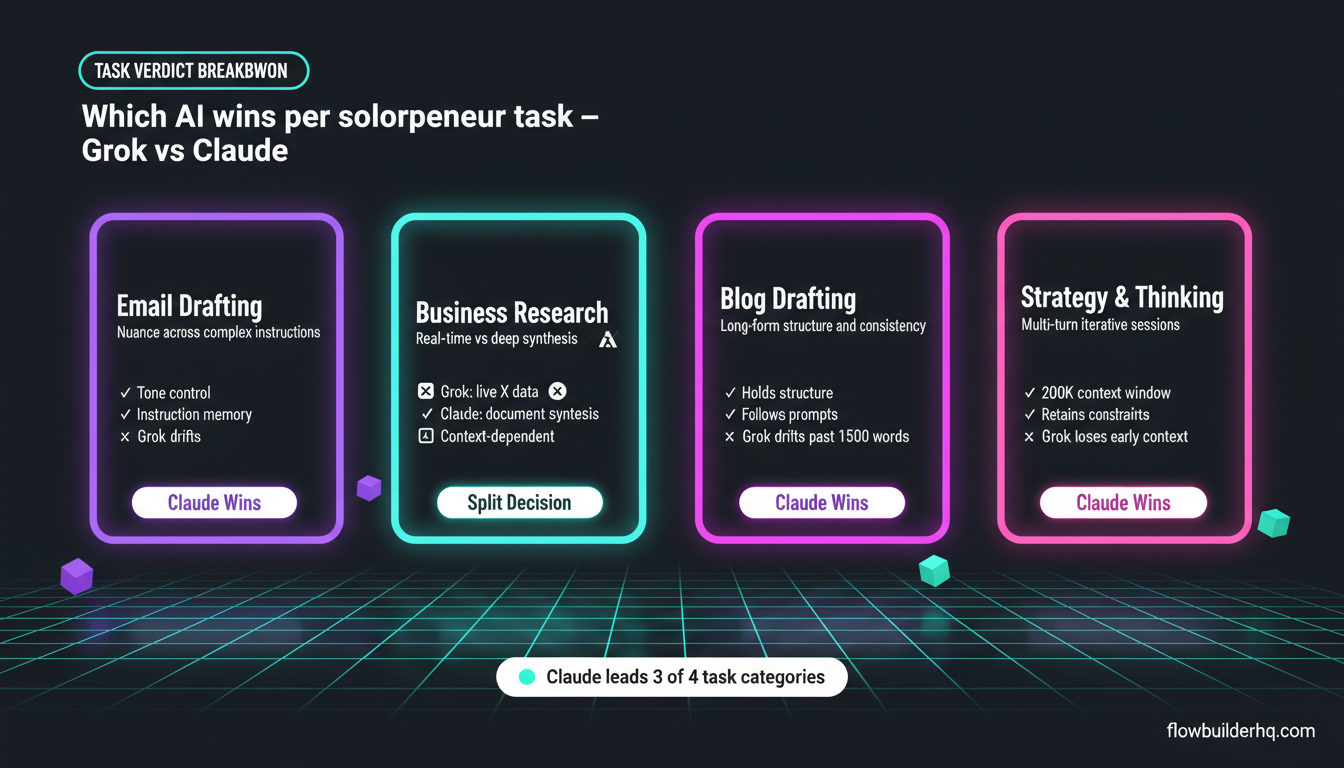
Winner for email drafting: Claude.
Grok vs Claude for Business Research Tasks
This is where Grok makes its strongest argument. Real-time web access isn’t a gimmick — it’s a genuine differentiator for research-heavy work. When you’re researching a competitor’s recent positioning, looking up what a podcast guest said last month, or checking what’s trending in your niche right now, Grok can pull live data that Claude (without a search tool enabled) can’t touch.
More specifically, Grok has native access to X/Twitter data. If you’re trying to understand what your target audience is talking about in real time, or tracking the conversation around a product launch, that’s a meaningful edge. No other AI model has this built in at the same depth.
Claude, on the other hand, has a knowledge cutoff and relies on external tools or uploaded documents for current information. It can use Anthropic’s web search feature in some configurations, but it’s not as fluid as Grok’s native integration. Where Claude wins in research is synthesis and analysis. Give it a long PDF, a batch of scraped articles, or a complex research brief, and it will summarize, compare, and draw conclusions in a way that Grok doesn’t quite match.
For solopreneurs whose research involves understanding recent market shifts or tracking what competitors are posting publicly, Grok is genuinely useful. For solopreneurs who need to process large documents or synthesize structured research from uploaded files, Claude holds the edge.
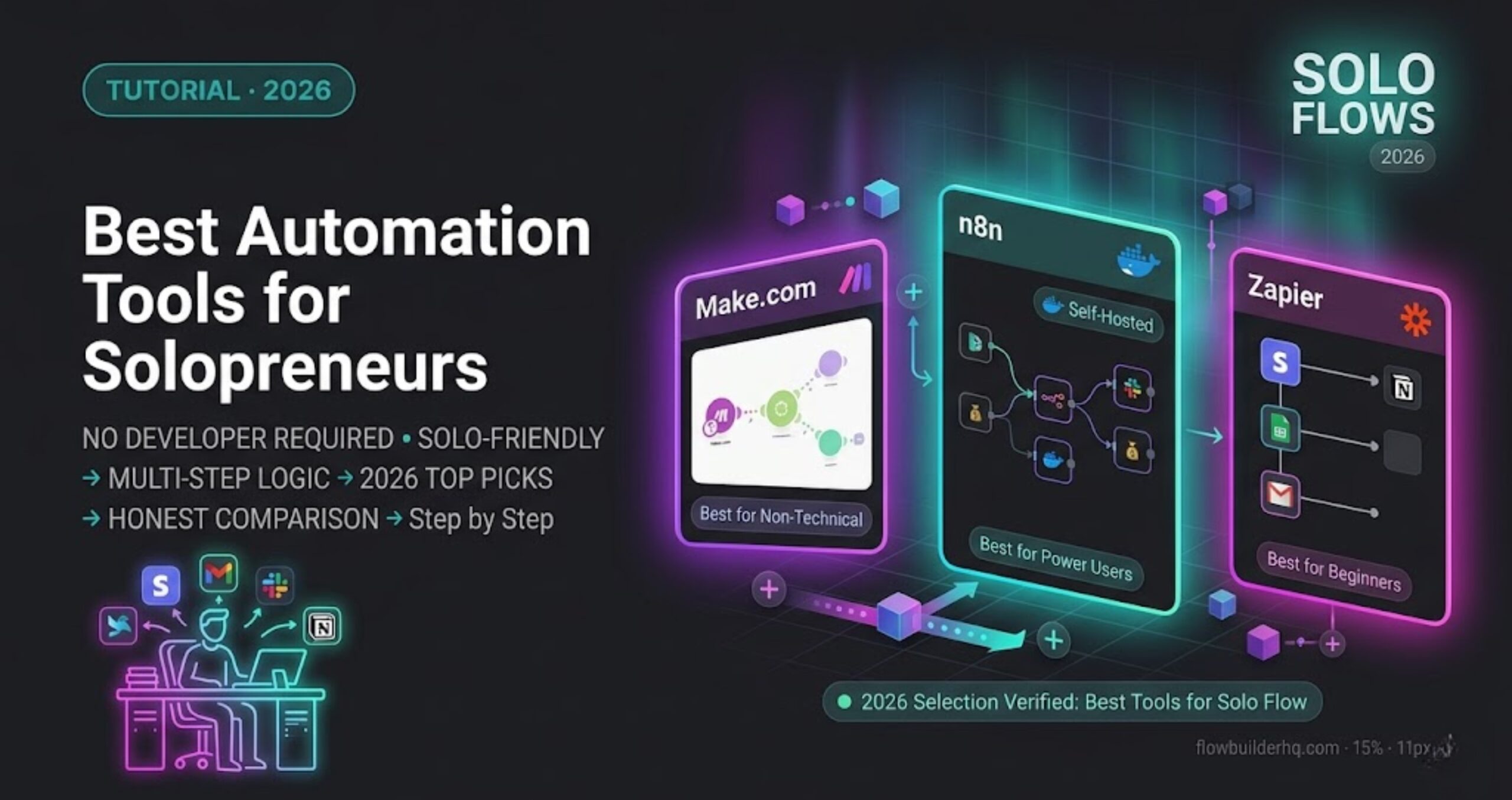
If you’re building research workflows into your automation stack, the Anthropic Claude API post covers what you can actually build without a developer — worth reading alongside this comparison.
Winner for research tasks: Split — Grok for real-time/social research, Claude for document synthesis and deep analysis.
Grok vs Claude for Content Outlines and Blog Drafting
Content creation is where most solopreneurs spend a disproportionate amount of AI time. Outlines, first drafts, headlines, meta descriptions — the volume is high and the quality bar matters.
Grok’s content outlines are structured and reasonably well-organized. For short-form content and social posts, it performs well. For longer blog drafts (1,500 words plus), it tends to drift — headings start strong, then the body sections lose specificity and start repeating themselves. The pacing is off in ways that create more editing work, not less.
Claude is the better content tool, and it’s not particularly close. Long-form drafts hold their structure throughout. Section transitions are logical. It can take a rough outline and produce a full draft that actually matches the intent of each section rather than padding word count. Instruction-following quality is also higher — if you specify “avoid passive voice” or “write this for an audience that already understands CRMs,” Claude tracks those instructions across the full output.
This is especially relevant if you’re producing SEO-oriented content at scale. Consistent quality across a high volume of posts is easier to achieve with Claude. If you want a broader picture of what AI writing tools are currently worth, our ranked breakdown of AI writing tools for solopreneurs covers the wider field.
One legitimate Grok advantage in content: it’s more willing to take creative risks and write with a distinct voice when asked. If you want content that sounds edgy, unfiltered, or deliberately provocative — Grok will go there faster. Claude will sometimes hedge or soften language by default, which you can override with explicit prompts but it adds a step.
Winner for content outlines and blog drafting: Claude.
Grok vs Claude for Business Thinking and Strategy Tasks
This covers things like: pricing strategy brainstorms, offer positioning, figuring out why a launch underperformed, writing SOPs, or working through a business decision you’ve been avoiding. These are tasks that require the AI to reason carefully and hold a complex context.
Claude’s extended context window (200K tokens) and its documented strength in reasoning tasks make it the better fit for anything requiring multi-step logic. You can paste in your entire client communication history, a pricing model, and a competitor’s sales page — and ask Claude to help you identify gaps. It will actually use all of that material. The official Claude model documentation confirms that reasoning depth and instruction-following are core design priorities, and in practice, that shows up clearly in strategy-oriented tasks.
Grok handles strategic questions adequately but shows its limits when conversations get long and layered. It has a shorter effective memory for context — meaning that in a long working session, it’s more likely to lose track of earlier constraints you set. For a one-off question, that doesn’t matter. For an iterative working session where you’re refining a strategy over multiple messages, the gap is noticeable.
For solopreneurs who are trying to think clearly about their business, not just produce content, Claude is the better thinking partner. Our piece on what Claude AI actually does well for small businesses covers this use case in more depth.
Winner for strategy and business thinking: Claude.
Pricing Comparison
Grok is primarily accessible through an X Premium subscription — pricing for that varies. The standalone grok.com interface has its own access model; check current pricing directly, as it’s been in flux. The xAI API is available for developers at separate pricing.
Claude’s pricing is more established: the free tier at claude.ai is functional for light use. Claude Pro runs $20/month and is where most solopreneurs will want to be for serious daily use — it gives access to the most capable models with higher usage limits. The Anthropic API is priced per token, which matters if you’re building automation workflows around it.
For most solopreneurs, Claude Pro at $20/month is a clear and predictable cost. Grok’s access model is more entangled with an X subscription — which makes it either a bonus if you’re already paying for X Premium, or an awkward additional cost if you’re not.
Honest Cons for Each Tool
Grok — Honest Limitations
- Tied to the X ecosystem. If you don’t use X regularly, the distribution model for Grok feels imposed rather than useful. Access is more fragmented than Claude’s clean web interface.
- Long-form quality drops off. For anything requiring sustained precision across 1,500+ words, Grok requires more editing passes than Claude.
- Instruction retention in long sessions. Multi-turn conversations where you’re building on earlier context are weaker than Claude. Grok tends to “forget” constraints set early in a session.
- Tone control is coarser. You can direct its tone, but the range and precision of Claude’s tone responsiveness is better.
Claude — Honest Limitations
- Real-time data is not native. Without web search enabled, Claude’s knowledge cutoff is a genuine research limitation for current events or recent competitor moves.
- Can over-hedge. Claude’s safety training sometimes produces outputs that are more cautious than necessary, particularly for persuasive copy or edgier content. You can override this with explicit prompting, but it takes an extra step.
- No native social listening. Unlike Grok, it has no access to X data — which is a real gap if social listening is part of your research workflow.
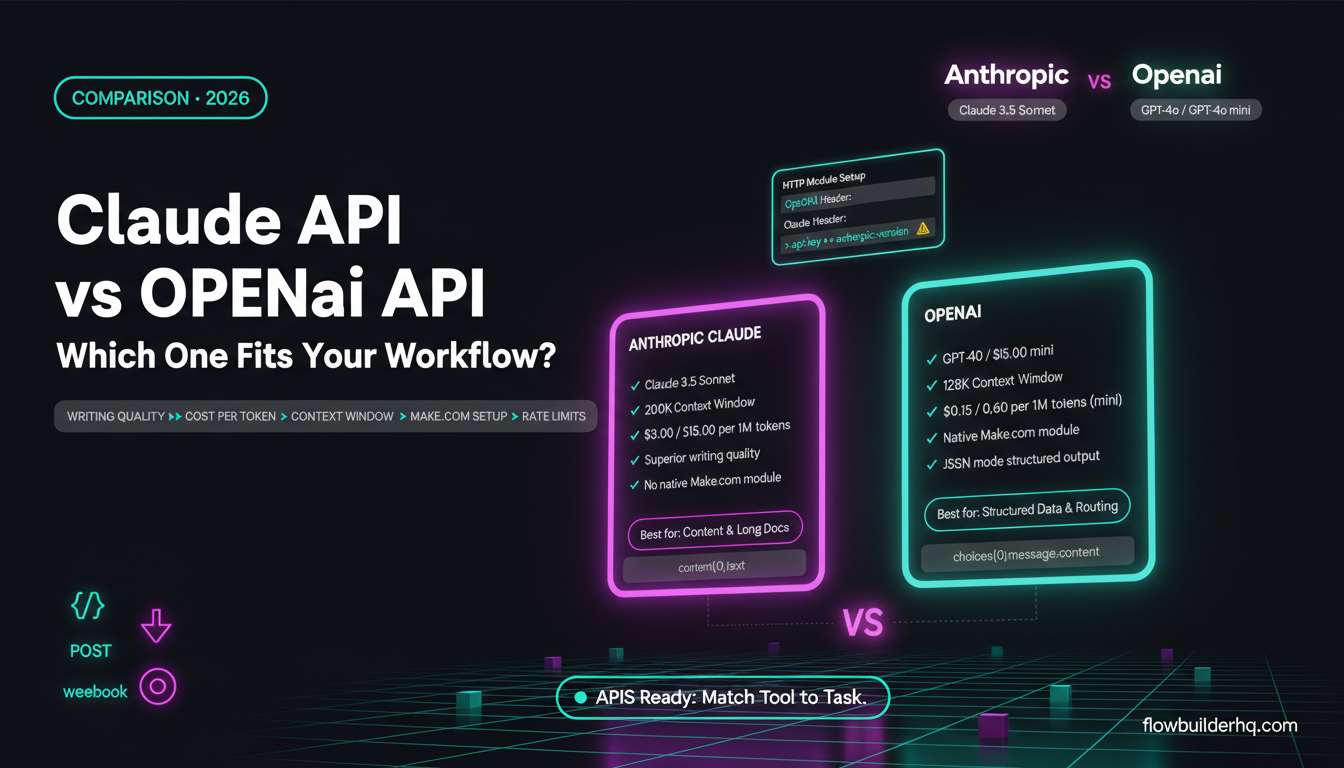
- API costs add up at scale. If you’re building automations that make frequent API calls, Claude’s per-token pricing requires careful planning. The Claude API vs OpenAI API cost comparison is worth reading before you commit to a build.
Who Should Use Grok
You’re already on X Premium and using it actively. You need real-time information about what’s happening in your niche — right now, not six weeks ago. You produce short-form content (posts, threads, quick responses) more than long-form. You want an AI that’s willing to go edgier without excessive softening. You’re not primarily a content-heavy or document-heavy operator.
Who Should Use Claude
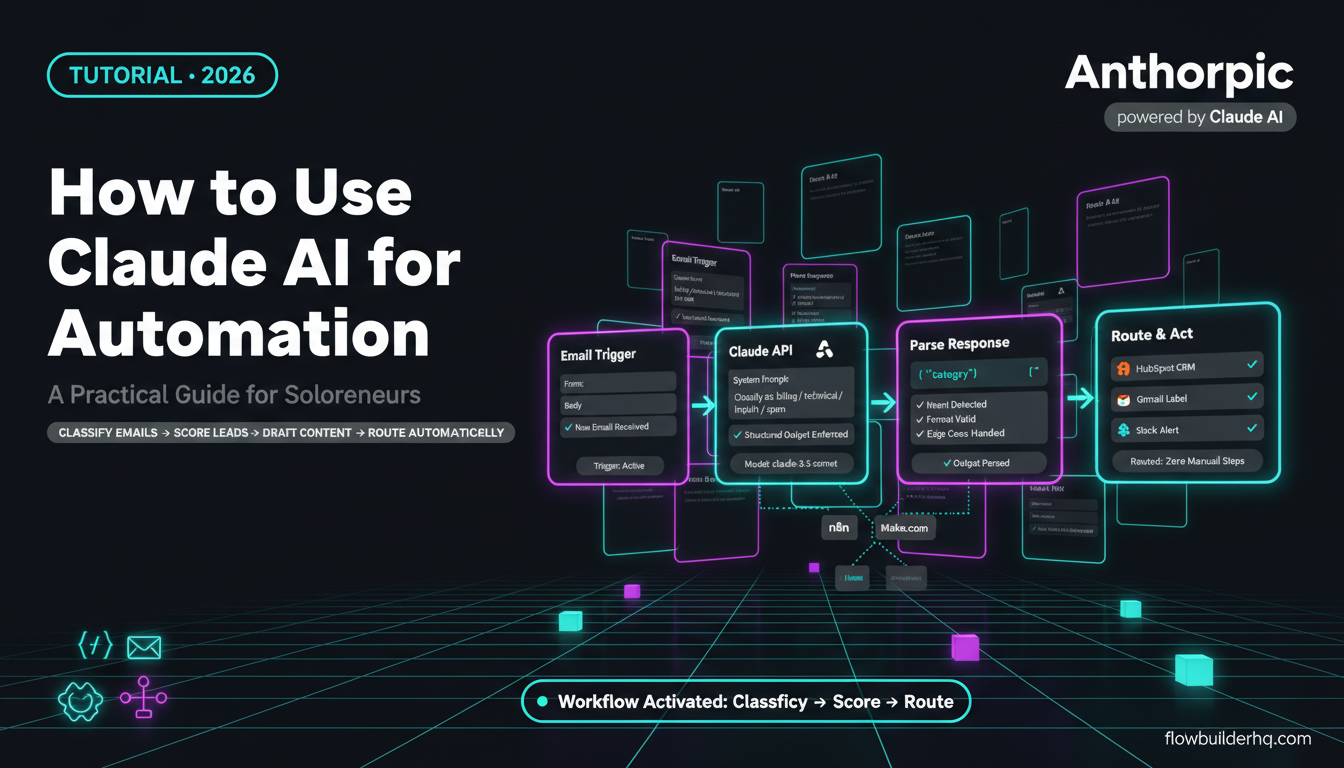
You produce long-form content regularly — blog posts, email sequences, proposals, SOPs. You draft a lot of client communication and need the AI to hold nuance across complex instructions. You work through business decisions iteratively, in multi-turn conversations. You want an AI that follows detailed prompts reliably and doesn’t drift. You’re building or considering automation workflows where API access matters. If that last point applies to you, the practical guide to using Claude for business automation is a useful next read.
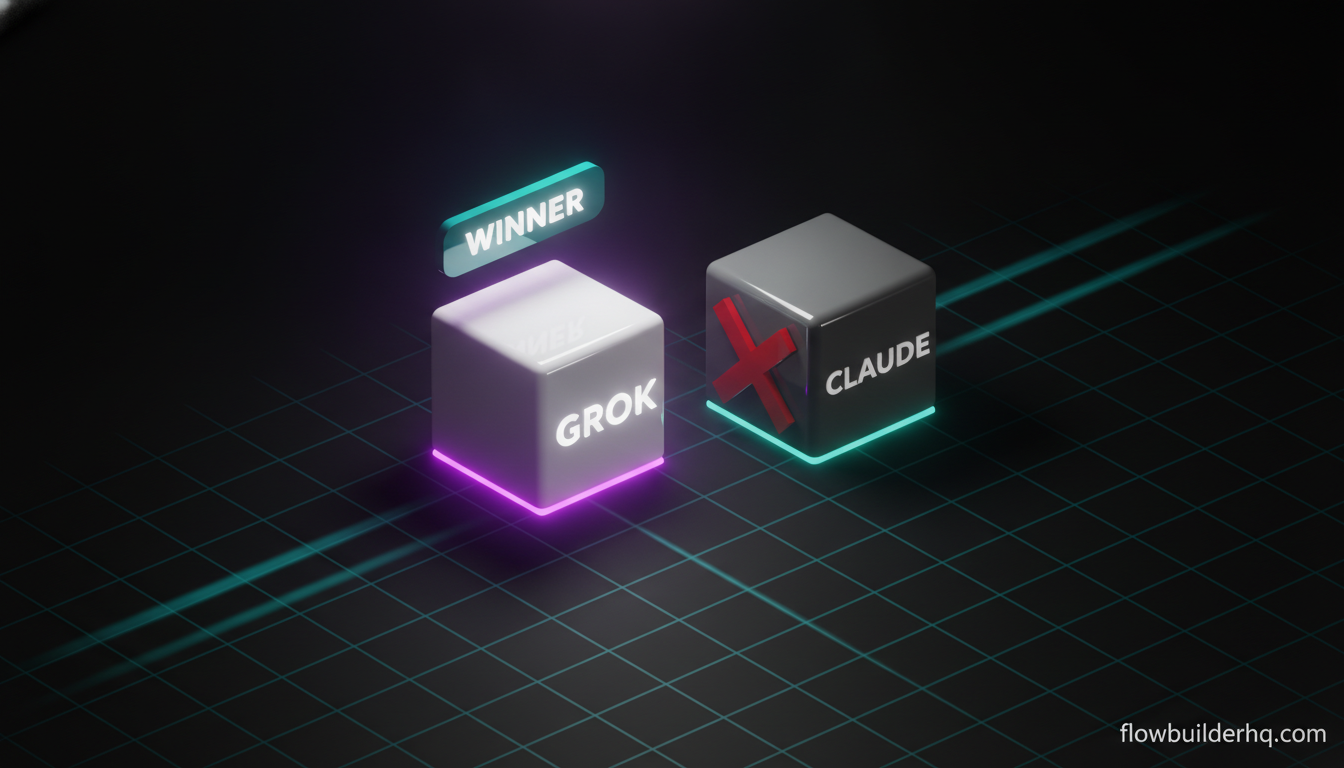
The Final Verdict: Grok vs Claude for Solopreneur Content and Research Tasks
Claude wins for most solopreneurs, most of the time. The task categories that matter most — email drafting, content creation, strategy, document analysis — all favor Claude. Its instruction-following is better, its long-form quality is higher, and it’s a more reliable thinking partner for the kind of iterative business work that actually moves the needle.
For solopreneurs comparing AI tools, the Gemini vs Claude for solopreneur content and business workflows post rounds out the picture if you want to see how a third major model stacks up before committing to a primary tool.
Grok has a real use case: if real-time social research and X data access are part of your workflow, it’s genuinely useful as a supplementary tool. But as a primary AI assistant for running a solopreneur business, it doesn’t yet match Claude’s consistency and precision on the tasks that matter most.
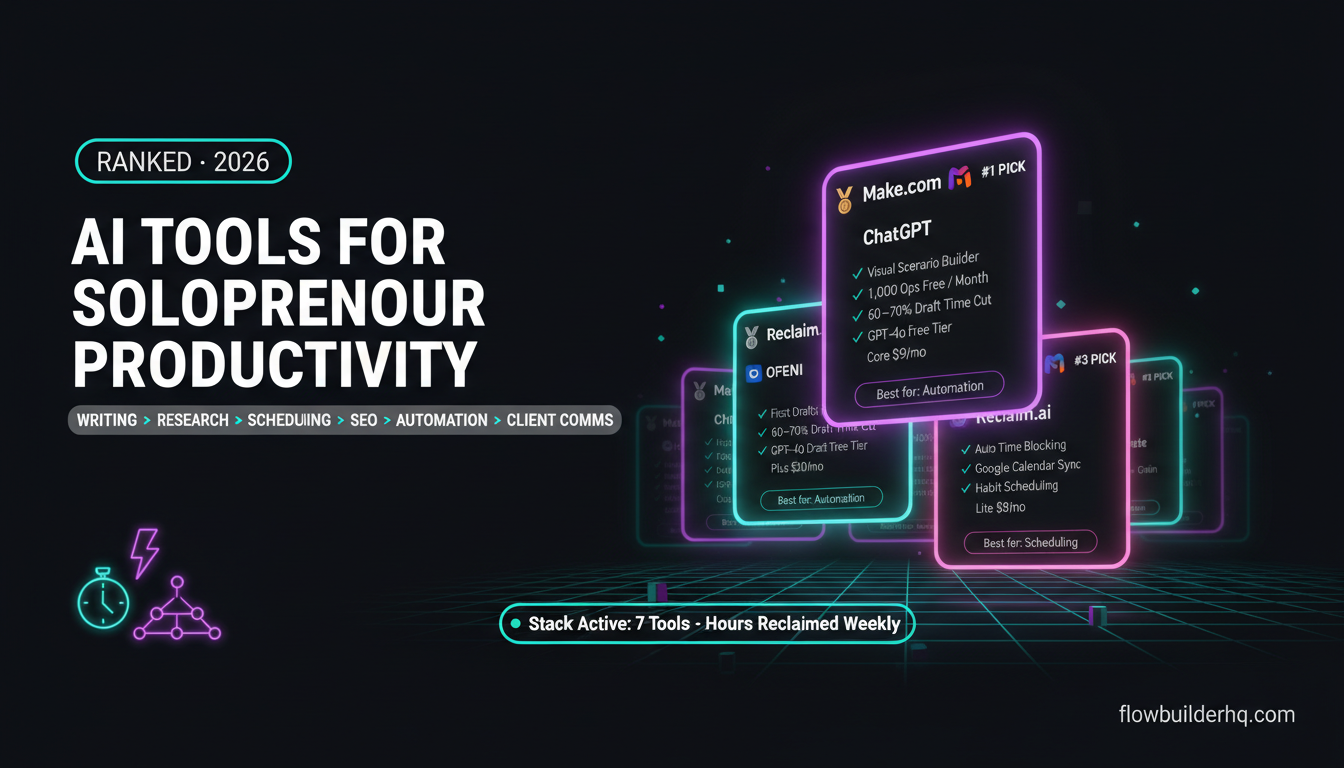
The honest play for most solopreneurs: run Claude as your primary tool, use Grok when you specifically need live web or X data, and don’t pay for both at full price unless you’re doing enough volume to justify it. If you’re still deciding between the AI tools that fit your overall stack, our breakdown of AI tools that actually save time in 2026 covers the broader picture — and our solopreneur tech stack for 2026 shows how these tools fit into a full one-person business setup.
Claude isn’t perfect. But right now, for the kind of work solopreneurs actually do every day, it’s the better tool. Grok is worth watching — xAI is moving fast — but “worth watching” isn’t the same as “worth switching to.”
Building this yourself? Get the workflow pack.
5 ready-to-import n8n workflows — lead capture, invoicing, content repurposing, onboarding, social posting. Free.